N. 23rd Street Is Becoming Wilmington's Life Sciences Spine
Frontier Scientific's $1.5B hub, Precision 3PL's lease, and NCBiotech funding converge on N. 23rd Street — forming Wilmington's life sciences spine.

May 04 2026
1 min read
Business Summary
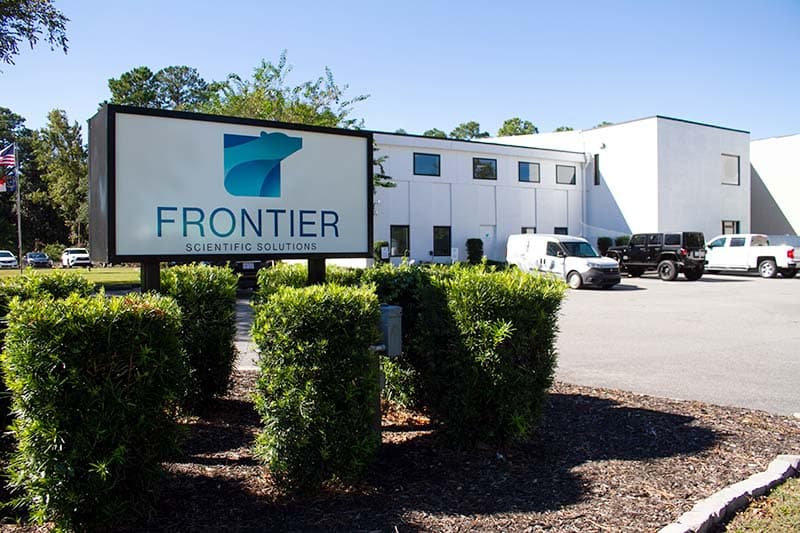
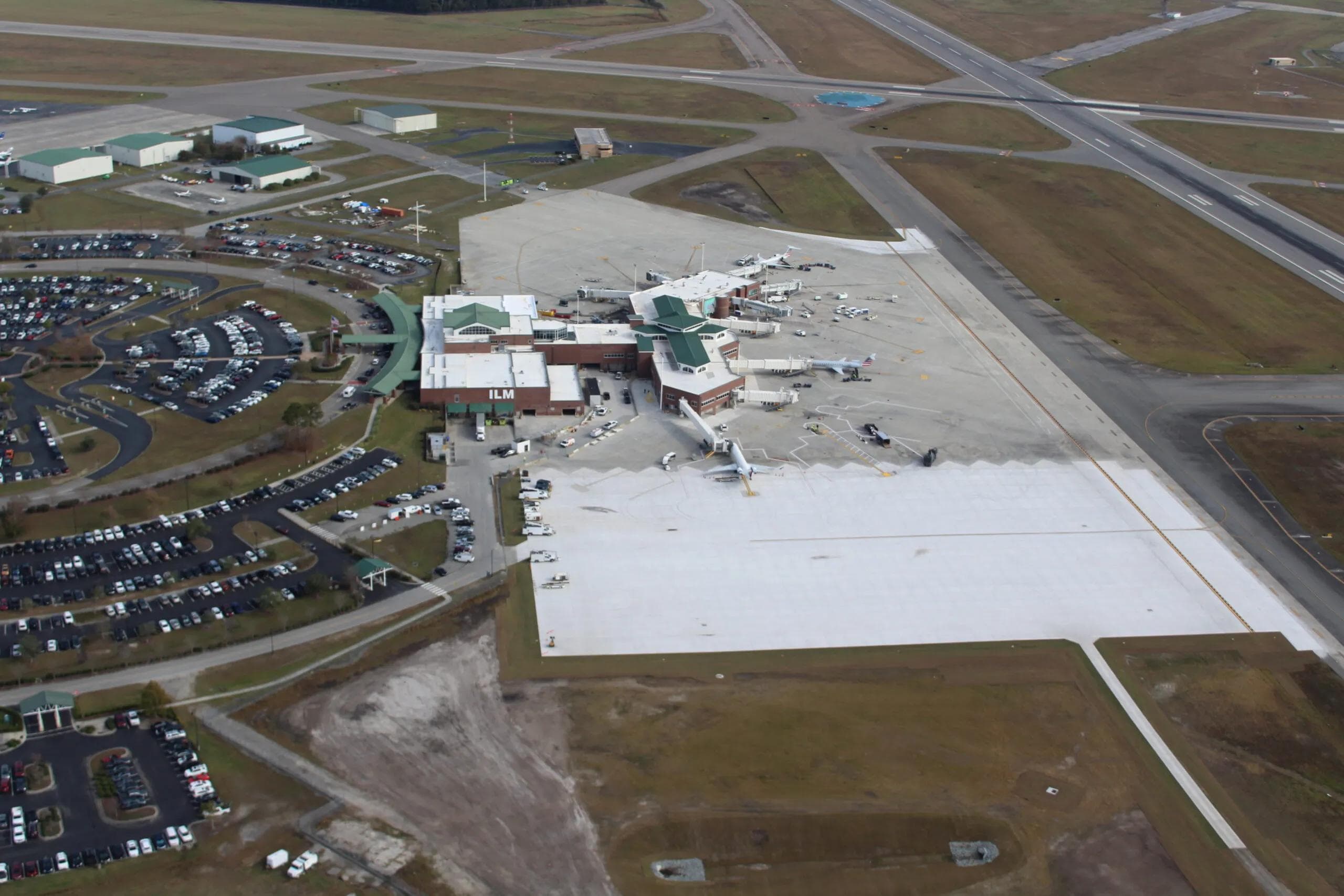
Frontier Scientific Solutions is anchoring a $1.5 billion life sciences logistics hub along North 23rd Street near Wilmington International Airport (ILM), combining a 519,000-square-foot cGMP cold storage facility, a dedicated transatlantic air freight corridor to Shannon, Ireland, and North Carolina's first life sciences Foreign Trade Zone.
Separately, Precision 3PL has roughly tripled its footprint with a ~214,000-square-foot lease at 802 N. 23rd Street, while NCBiotech is channeling startup capital and a $5.17 million workforce endowment into the region.
Taken together, these moves signal a deliberate clustering of cold-chain logistics, pharma distribution, and life sciences support services along a single Wilmington corridor — a pattern that reshapes the competitive calculus for industrial real estate, workforce planning, and capital deployment across southeastern North Carolina.
Fast Facts
- $1.5 billion total commitment from Frontier Scientific Solutions
- 519,000 sq ft new cGMP cold storage distribution facility under development
- 60,000 sq ft existing Frontier warehouse at 805 N. 23rd Street, designated Foreign Trade Zone in 2024
- ~214,000 sq ft new lease by Precision 3PL at 802 N. 23rd Street (previously operated from 72,000 sq ft at 312 Raleigh St.)
- ~350 jobs expected over 3–5 years across Wilmington and Shannon operations
- $5.17 million endowment grant targeting regional skilled labor shortages
- 3 flights per week each direction on dedicated Boeing 767 wide-body freighters
- Corridor aims to cut pharma supply chain touchpoints by ~75%
- ILM ranked as North Carolina's fastest-growing airport
What Happened
Frontier Scientific Solutions launched a dedicated life sciences air corridor between ILM and Shannon Airport, Ireland — described as the first fully dedicated pharma air freight route of its kind. The service uses wide-body 767 freighters with real-time temperature monitoring, operating three days per week in each direction. The company's existing 60,000-sq-ft warehouse at 805 N. 23rd Street carries a Foreign Trade Zone designation, with the address confirmed by the Wilmington Chamber of Commerce directory.
The larger play is a new 519,000-sq-ft cGMP facility designed by BE&K Building Group with cold storage, freezer storage, ambient storage, office space, and direct taxiway connectivity to ILM. The facility is engineered to handle pharmaceutical storage, finished product packaging, customs clearances, TSA screenings, R&D, and clinical trials.
On the same street, Precision 3PL — a Wilmington-based third-party logistics provider founded in 2011 — executed a ~214,000-sq-ft lease at 802 N. 23rd Street, a 13-acre property with rail access and proximity to ILM, FedEx/UPS hubs, and the Port of Wilmington. The company previously operated from approximately 72,000 square feet at 312 Raleigh Street, making the new lease roughly a tripling of its local footprint. Meanwhile, NCBiotech launched a Venture Challenge pitch competition targeting Wilmington-area life sciences startups, and a $5.17 million endowment grant was directed at addressing the region's skilled labor gap.
Why It Matters
The convergence of infrastructure, trade zone policy, workforce investment, and private capital along a single corridor is not coincidental — it is the early architecture of a specialized logistics district. For investors and developers, the signal is clear: N. 23rd Street is transitioning from general industrial to a purpose-built life sciences logistics zone, and the economics of that shift are materially different.
Cold-chain and cGMP-compliant facilities command higher rents per square foot than conventional flex-industrial, but they also require heavier capital investment in mechanical systems, compliance infrastructure, and specialized labor. The Foreign Trade Zone designation adds a regulatory layer that reduces import/export tax exposure and accelerates customs clearance — a genuine competitive moat for tenants moving high-value pharmaceutical goods.
Frontier's claim that its model can compress pharma supply chain timelines from weeks to a single day — eliminating roughly 75% of current touchpoints — is ambitious. If validated at scale, it repositions Wilmington not as a secondary distribution node but as a primary gateway for transatlantic pharma logistics, sitting between New York and Miami with port, air, and interstate access.
What Stands Out
- Corridor clustering is accelerating. Frontier's 519,000 sq ft plus Precision 3PL's ~214,000 sq ft represent nearly three-quarters of a million square feet of life sciences and cold-chain logistics capacity concentrating on a single street. That density creates agglomeration effects — shared labor pools, logistics synergies, and tenant attraction.
- The FTZ designation is a structural advantage. North Carolina's first life sciences Foreign Trade Zone isn't just branding; it provides measurable cost reduction on duties and streamlines regulatory throughput for pharma products. Competing corridors in the Triangle or Charlotte lack this specific designation.
- Workforce is the binding constraint. The $5.17 million endowment and NCBiotech's Venture Challenge both point to a recognized gap: the talent pipeline is not yet scaled to match the infrastructure buildout. ~350 new jobs over 3–5 years requiring operations, compliance, and engineering skills will stress a regional labor market that is still developing its life sciences bench.
- ILM's growth trajectory matters. As the fastest-growing airport in North Carolina, ILM's passenger and cargo capacity expansion directly supports the viability of dedicated freight operations. But wide-body freighter operations require sustained volume — a ramp-up risk worth tracking.
- Competitive differentiation from general flex-industrial is not yet documented. Whether the N. 23rd Street corridor is being actively marketed to cold-chain and lab tenants as a distinct product — versus general flex-industrial offerings like Zephyr Development's ~250,000-sq-ft spec park on Blue Clay Road — is not yet publicly documented. Zephyr's Blue Clay project, which broke ground in January 2026, is described as flex/light industrial with no confirmed life sciences tenant focus. That distinction will determine whether the corridor achieves specialized district status or remains a collection of adjacent leases.
Market Lens: Corridor Strength
The most useful frame here is corridor strength — the question of whether N. 23rd Street is evolving into a self-reinforcing district or simply hosting co-located tenants. The evidence tilts toward the former: a $1.5 billion anchor commitment, a dedicated international air route, a Foreign Trade Zone, a secondary tenant tripling its footprint, and public-sector workforce and startup investment all converging on the same geography. That pattern — infrastructure plus policy plus private capital plus talent investment — is the recipe for a specialized corridor.
The analog is not Research Triangle Park but rather the cold-chain logistics clusters that have formed around Louisville's UPS Worldport or Indianapolis's pharma distribution belt. Wilmington's version is smaller and earlier-stage, but the structural ingredients are present. For commercial real estate professionals, the implication is that land and existing industrial product along N. 23rd Street should be repriced to reflect life sciences corridor premiums, not general industrial comps.
Risks & Watch-Outs
- Execution risk is significant. A 519,000-sq-ft cGMP facility with taxiway access is a complex build. Permitting timelines, construction costs, and commissioning delays could push delivery well beyond initial projections.
- Freight volume ramp-up. Three weekly wide-body freighter rotations require sustained cargo demand to remain economically viable. If pharmaceutical shippers are slow to shift from established hubs, the air corridor could operate below breakeven.
- Labor pipeline mismatch. ~350 specialized jobs in a market still building its life sciences workforce is a tight fit. If the $5.17 million endowment takes years to produce trained workers, hiring timelines will slip.
- Concentration risk. The corridor's identity is heavily dependent on Frontier Scientific as a single anchor. Any change in Frontier's financial position, strategy, or ownership would ripple across the entire district thesis.
- Competitive pressure from established hubs. Research Triangle, Atlanta, and even Charleston have deeper life sciences ecosystems. Wilmington must convert infrastructure into tenant commitments before competitors replicate the FTZ or air corridor advantages.
Bottom line for decision-makers: The N. 23rd Street corridor has crossed from concept to committed capital — $1.5 billion in anchor investment, ~733,000 sq ft of life sciences and logistics capacity in the pipeline, and policy infrastructure that competitors lack. The smart move now is to track permitting milestones on the 519,000-sq-ft facility, monitor freight utilization on the Shannon corridor, and evaluate adjacent parcels before the market fully prices in the corridor premium.
Topics

Daniel Price
Daniel Price brings a decade of experience advising developers and institutional investors on large-scale commercial real estate projects. Now based in Wilmington, he covers local business expansion, leasing trends, and the economics behind downtown redevelopment and land use shifts.
Related Posts
More stories from the same category


Recent Posts
Stay up to date with our latest stories




Subscribe to Newsletter
Provide your email to get email notification when we launch new products or publish new articles