ILM Bets $190M That Wilmington's Growth Runway Is Just Getting Started
ILM commits $190M in runway and garage projects as Wilmington outpaces Raleigh and Charlotte in job growth — testing the airport's capital thesis.

May 04 2026
1 min read
Business Summary
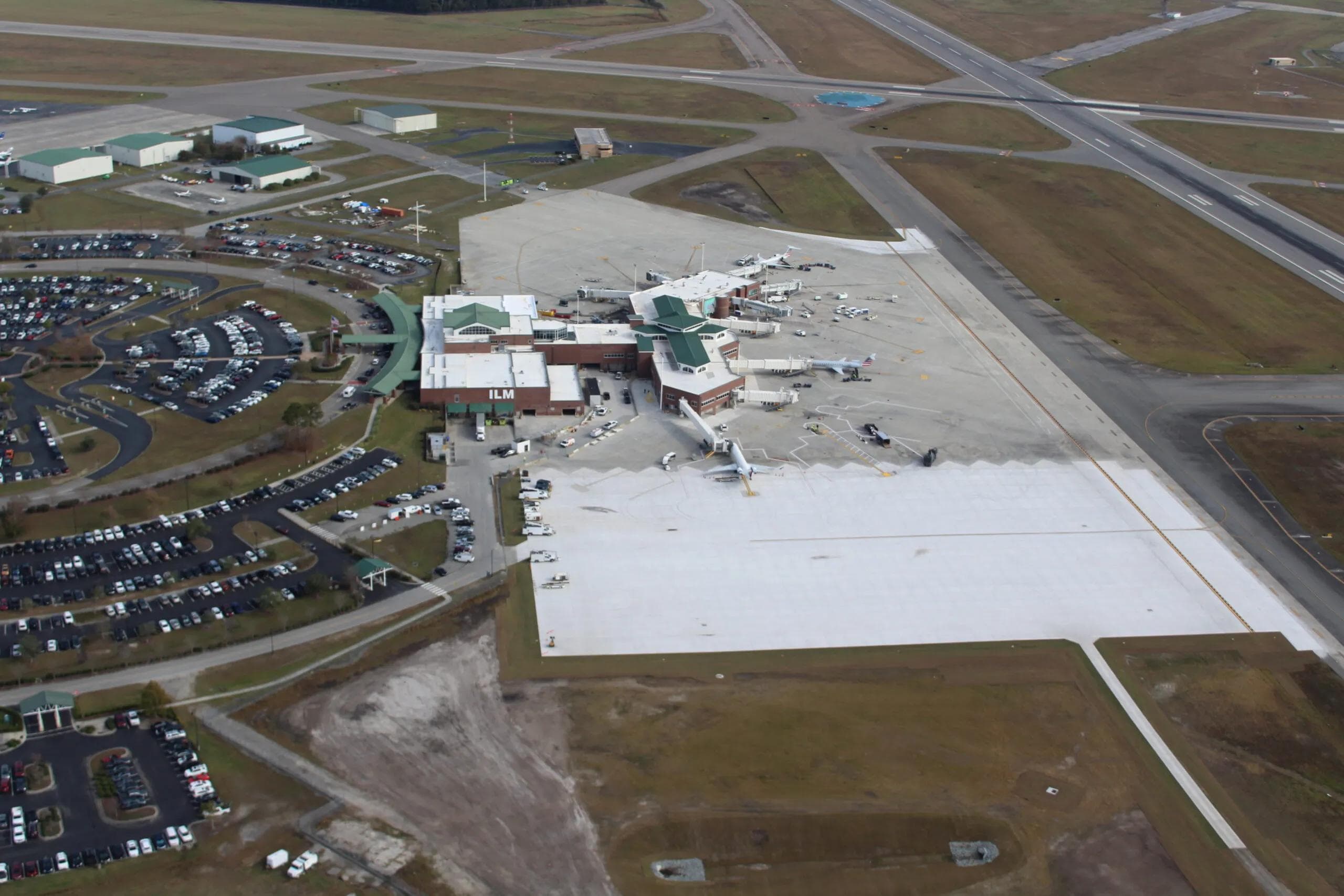
Wilmington International Airport (ILM) is committing $190 million in infrastructure spending over the next 5–10 years, anchored by a $25 million primary runway rehabilitation and an $80–$90 million first-ever parking garage. The capital program arrives as Wilmington's job growth rate outpaces both Raleigh and Charlotte — with a 3.1% increase for the year ending February 2026 — a demand signal that forces a direct question: is ILM building to match current momentum, or still closing a gap left by decades of underinvestment?
Fast Facts
- Runway 6-24 rehabilitation: $25 million, phased April 2026 through 2031
- First parking garage: $80–$90 million estimated; construction start targeted July 2027, completion by July 2028
- Broader capital program: $190 million over 2026–2036; $55 million already spent
- Total campus investment: $500 million including $250 million in tenant capital projects
- Cash reserves: $25 million on hand (~2 years of operating reserves)
- Net operating income target: 22–27%, with actuals running closer to 30%
- Airport growth: Campus nearly doubled since 2019; forecast to double again in 10 years under optimistic projections
- Road infrastructure: Hall Drive Extension at $3 million (in design); ILM contributed $1 million to 23rd Street widening (NCDOT project)
- Historical infrastructure spend: $108 million pre-2026
What Happened
ILM is advancing its two largest active capital projects under Airport Director Jeff Bourk, who has led the airport since January 2022 and brings over 30 years of aviation experience. Phase 1 of the Runway 6-24 rehabilitation kicks off in April 2026, with center-section work in 2027 and a full overlay completing in 2031. The project replaces a prior runway extension plan, pivoting to maintenance-driven rehabilitation of the airport's primary runway.
Separately, ILM's first parking garage — scaled down from earlier estimates to hold above the authority's $25 million reserve policy — is programmed at $80 million. A second garage is already projected for approximately 2033, signaling that the authority views current capacity as structurally insufficient for the demand curve ahead.
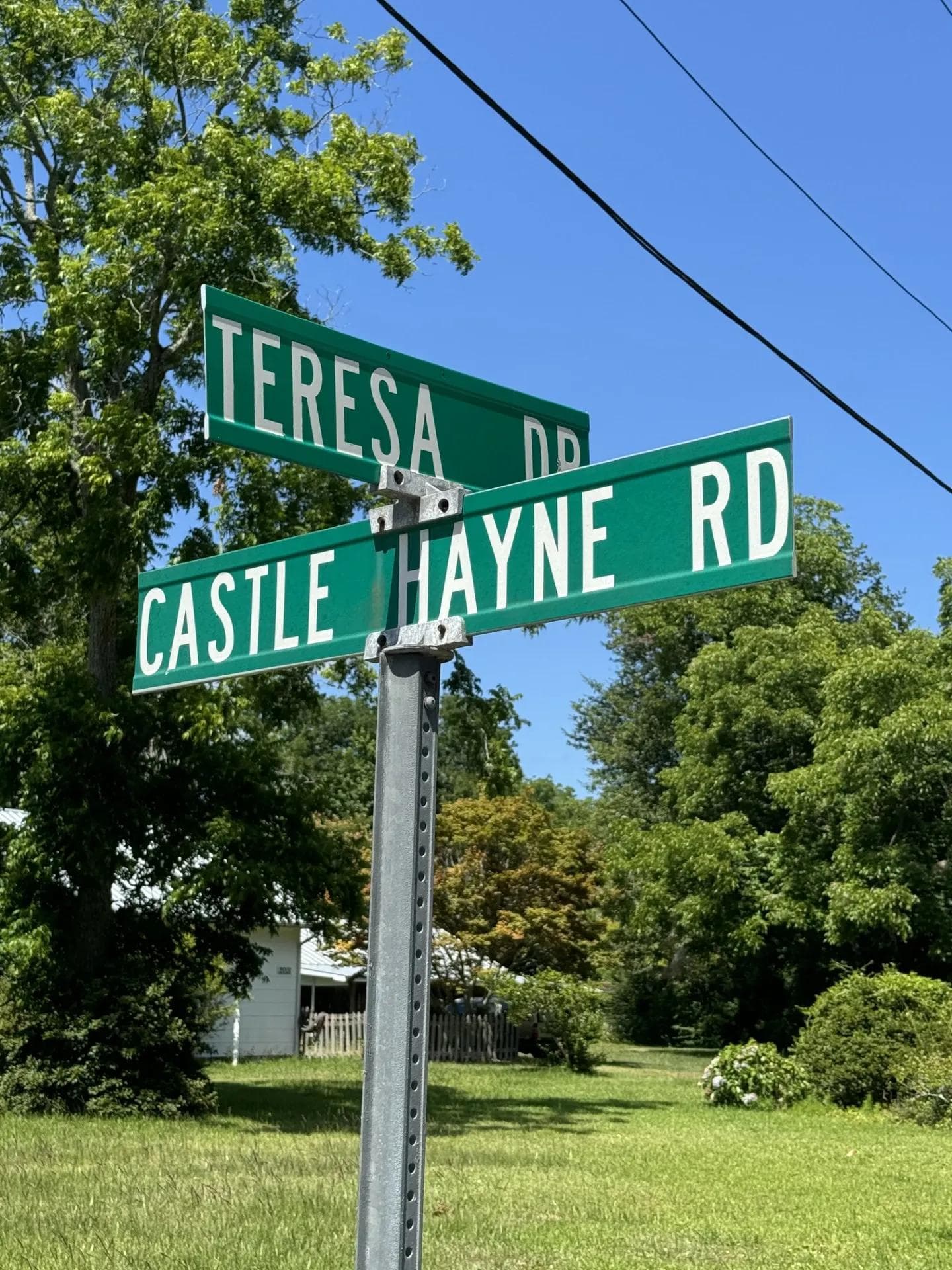
These projects sit within a 10-year capital program (2022–2031) that has already deployed $108 million in infrastructure and now programs another $240 million across remaining phases. Road improvements to support the ILM Business Park — including the $3 million Hall Drive Extension (across Blue Clay Road to Castle Hayne Road) — are in active design.
Why It Matters
For investors and developers tracking southeastern North Carolina, ILM's capital trajectory is a proxy for regional economic confidence. The airport's campus has nearly doubled since 2019 — the first major expansion in decades — and the authority is now underwriting a forecast that projects it will double again within 10 years.
The $500 million in combined campus investment (airport plus tenant capital) is a significant capital concentration for a mid-size metro airport. It positions ILM not just as a transportation node but as a commercial real estate and logistics anchor. The $250 million in tenant-driven investment suggests private capital is independently validating the airport's growth thesis.
Wilmington's job growth outpacing Raleigh and Charlotte strengthens the demand-side case. The Wilmington metro posted a 3.1% job growth rate for the year ending February 2026, while the region also saw a 15.1% employment increase from 2018–2023. But the infrastructure gap is real: parking constraints and runway maintenance deferrals have historically limited route development at mid-size airports, and ILM is no exception.
What Stands Out
- Operating margins are funding the build. ILM is generating $2–$4 million per year from operations toward capital, with net operating income running at ~30% against a 22–27% target. That margin discipline is what allows a $25 million cash reserve while deploying nine-figure capital.
- The parking garage is a demand confession. Building an $80–$90 million structure — and already programming a second for 2033 — is an explicit acknowledgment that surface parking has become a binding constraint on enplanement growth.
- Runway rehab over extension signals pragmatism. The pivot from runway extension (AV-5885) to rehabilitation suggests the authority is prioritizing asset preservation over speculative capacity, a defensible capital allocation choice given current demand levels.
- Tenant capital is outpacing public investment. At $250 million, private tenant investment exceeds ILM's own $190 million programmed spend — a ratio that typically signals healthy demand pull rather than supply-push overbuilding.
- Road infrastructure is the quiet enabler. The Hall Drive Extension and 23rd Street widening directly serve ILM Business Park access, which is where much of the commercial real estate upside sits.
Market Lens
Angle: Infrastructure/Logistics
ILM's capital program is a test case for whether mid-size metro airports in high-growth corridors can self-fund infrastructure at the pace regional economies demand. The airport's 30% operating margin and $25 million reserve provide a financial cushion, but the $190 million forward commitment still carries execution risk across a 5–10 year horizon. For commercial real estate professionals, the business park road improvements are the most immediately actionable signal — they unlock developable acreage adjacent to an airport that is actively scaling. For lenders and investors, the question is whether ILM's enplanement growth (the primary revenue driver) sustains at the rate needed to service this capital program without drawing down reserves below the $25 million floor.
Risks & Watch-Outs
- Construction cost escalation. The parking garage was already scaled from higher estimates to $80 million to protect reserves. Further cost inflation over a 2027–2028 build window could force scope reduction or additional borrowing.
- Enplanement sensitivity. ILM's revenue model depends on passenger volumes. A recession, airline route rationalization, or competitive pressure from Myrtle Beach (MYR) or Raleigh-Durham (RDU) could compress the revenue line that funds this program.
- Phased runway work creates operational friction. A 5-year rehabilitation of the primary runway will require periodic capacity constraints. Airlines weigh operational reliability when awarding routes — extended construction windows can delay new service.
- Reserve policy tension. The $25 million reserve floor is prudent, but it also limits financial flexibility. If two or three projects hit cost overruns simultaneously, the authority faces a sequencing dilemma.
- Optimistic doubling forecast. Projecting the airport will double again in 10 years assumes sustained population and job growth at current rates. Wilmington's outperformance of Raleigh and Charlotte is notable but not guaranteed to persist through a full business cycle.
Bottom line for decision-makers: ILM's capital program is appropriately scaled to current growth signals, and the tenant investment ratio is encouraging. But the margin for error is thin — the $25 million reserve and 30% operating margin are doing heavy lifting. Developers eyeing the ILM Business Park corridor should move on road-adjacent parcels now; lenders should stress-test enplanement assumptions before underwriting long-duration airport-linked projects.
Topics

Marcus Lane
Marcus Lane writes about real estate, urban planning, and regional business strategy across Southeastern North Carolina. With a background in market analysis and civic reporting, he brings practical insights to emerging development stories and public-private partnerships.
Related Posts
More stories from the same category

Recent Posts
Stay up to date with our latest stories


Subscribe to Newsletter
Provide your email to get email notification when we launch new products or publish new articles