Franchise Capital, Not Corporate, Is Filling Wilmington's Retail Gaps
Franchise operators backed by SBA capital drove most of Wilmington's April 2026 retail openings, outpacing corporate expansion across key corridors.

May 01 2026
1 min read
Business Summary
Of seven retail openings or expansions tracked across Wilmington corridors in April 2026, at least three (43%) are locally owned franchise operations — a rate that appears to exceed the national franchise share of retail, though the exact national baseline is not specified in IFA reporting (IFA's 2025 Economic Outlook tracks franchising as ~3% of total U.S. GDP across all sectors, without isolating a retail-specific percentage).
Only one confirmed opening, Five Below at Monkey Junction, is corporate-owned. The mix signals that local investors deploying SBA-backed capital are absorbing small-format retail space faster than national chains are committing corporate real estate dollars to this market.
Fast Facts
- Planet Fitness — PF Wilmington South LLC — expanded +5,000 sq ft to 25,000 sq ft total at 5435 Carolina Beach Rd — reopened April 10, 2026 — est. 40–60 jobs (per franchise reports)
- Jersey Mike's — Market St Subs LLC — 1,800 sq ft at 3125 Market St — opened April 15, 2026 — est. 10–15 jobs
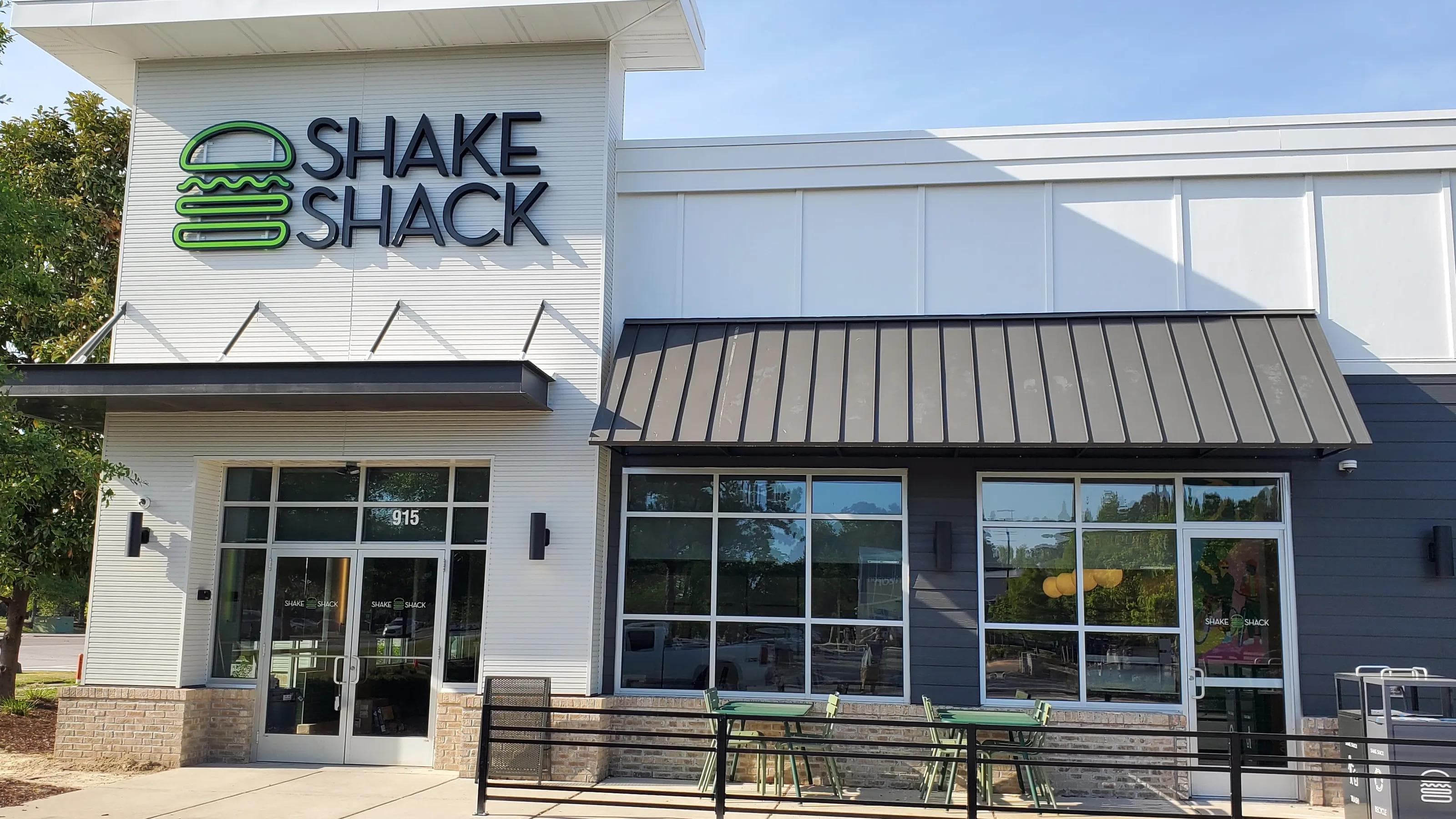
- Five Below (corporate) — 10,000 sq ft at 5151 S College Rd (Monkey Junction) — opened April 5, 2026 — est. 50–75 jobs
- NC SBA loan approvals for retail/hospitality: $1.2B in FY25, up 12% YoY
- Cape Fear retail absorption: est. +120,000 sq ft in 2025 (per MWM Real Estate estimates), with franchises filling roughly 60%
- Wilmington inbound migration rate: 83% (2024 United Van Lines National Movers Study) — ranking #1 among U.S. metro areas
What Happened
Four reported retail openings and expansions anchored Wilmington's April 2026 activity across corridors including S 17th Street, Market Street, Carolina Beach Road, and S College Road at Monkey Junction. Three are franchise operations run by locally registered LLCs. Planet Fitness's expansion was the largest single project, adding 5,000 sq ft to an existing footprint. Five Below's 10,000 sq ft Monkey Junction store was the only confirmed corporate-owned opening, part of the chain's 200+ national store rollout in 2025.
Three additional openings tracked in April remain unspecified in terms of ownership structure. City permits for these locations had not appeared in Wilmington's DevHub portal as of May 1, 2026. The Nothing Bundt Cakes opening at 2025 S 17th St could not be independently verified through public records or the brand's own location finder.
Why It Matters
The franchise-heavy mix carries a specific economic signal: local capital is underwriting retail risk that corporate balance sheets are bypassing. The confirmed franchise operators are filling 1,500–5,000 sq ft gaps — exactly the small-format space that national chains typically skip in favor of 10,000+ sq ft anchor positions. This pattern mirrors broader Cape Fear absorption data showing franchises capturing roughly 60% of the estimated 120,000 sq ft of retail space absorbed in 2025 (per MWM Real Estate estimates).
For landlords and developers, this means tenant pipelines in Wilmington's secondary corridors increasingly depend on SBA-financed local operators, not corporate tenant reps. That shifts negotiation dynamics, lease structures, and credit risk profiles.
What Stands Out
- Franchise share at 43% appears elevated compared to national norms, suggesting Wilmington's retail ecosystem is maturing through locally capitalized small-format plays rather than waiting for corporate site selection. (Note: The commonly cited 30% national franchise share figure could not be confirmed in IFA's 2025 or 2026 published reports, which do not isolate franchising's share of U.S. retail specifically.)
- SBA financing is the engine. NC SBA approvals hit $1.2B in FY25 (up 12% YoY), with fitness and food-service franchises among the heaviest borrowers in the $500K–$2M range. Franchise openings on this list likely carry SBA 7(a) debt.
- Corridor diversification is real. These openings span four distinct retail corridors — no single submarket is absorbing all the activity. Carolina Beach Rd saw a 15% vacancy drop in FY24 (per city budget data); Market St is targeted for 10–20% retail sq ft growth under the city's corridor plan.
- Migration is the demand backstop. Wilmington's 83% inbound migration rate — #1 among U.S. metros in the 2024 United Van Lines Study — driven by retirement (22%), family (17%), and jobs (16%) — sustains franchise-friendly categories like bakeries, fast casual, and fitness.
- Value retail is still the corporate play. Five Below's Monkey Junction store fits the national discount-expansion wave tracked by Coresight Research, which calls the shift to value retail structural, not cyclical.
Market Lens
Angle: Capital Allocation
The franchise-to-corporate ratio here is a capital allocation story. Local investors — operating through single-purpose LLCs and SBA debt — are deploying faster than corporate real estate committees. That's a sign of local confidence in population-driven demand, but it also concentrates credit risk in a specific borrower profile: leveraged small operators dependent on consumer traffic in corridors still absorbing new rooftops.
For lenders, the pattern validates continued SBA exposure in Wilmington's retail segment, but concentration risk is building. For landlords, franchise tenants bring faster lease-up but thinner credit backing than corporate guarantees. For investors evaluating Wilmington's retail market maturity, the franchise-heavy mix indicates the market has moved past early-stage corporate anchoring and into a fill-in phase where growth is incremental, locally financed, and corridor-specific.
The city's $15M FY24 economic development allocation — including targeted investment in Monkey Junction and Market Street — provides public infrastructure support, but the private capital doing the actual tenant build-out is overwhelmingly local and leveraged.
Risks & Watch-Outs
- Verification gaps. The Nothing Bundt Cakes opening at 2025 S 17th St could not be confirmed through public records, the brand's location finder, or local news sources. As of May 1, 2026, city permits for several April openings had not appeared in public records. This makes independent verification difficult and raises questions about inspection and occupancy timelines.
- SBA leverage concentration. Multiple franchise operators financing through SBA 7(a) loans in the same corridors creates correlated default risk if consumer spending softens or if migration-driven demand plateaus.
- Discount retail dependency. If value-oriented tenants like Five Below dominate corporate openings while higher-margin concepts come only through franchise channels, corridor tenant quality could skew lower over time.
- Labor market tightness. The confirmed openings represent an estimated 110–150 new retail jobs (based on available franchise and corporate averages). In a market already absorbing migration-driven workforce demand, staffing competition could pressure wage costs for operators running on franchise-model margins.
- Macro headwinds. Rising interest rates or any tightening in SBA lending standards would disproportionately hit the franchise operators driving most of Wilmington's retail absorption — a structural vulnerability worth monitoring.

Jordan Reese
Jordan Reese covers commercial real estate and business trends across Wilmington and the greater Cape Fear region. With a focus on investment activity and regional growth, Jordan provides clear, research-informed reporting for business owners, investors, and civic stakeholders.
Related Posts
More stories from the same category

Recent Posts
Stay up to date with our latest stories


Subscribe to Newsletter
Provide your email to get email notification when we launch new products or publish new articles