Downtown Wilmington Restaurant Churn Accelerates
Downtown Wilmington's 2025 restaurant turnover reveals strong consumer demand but thin operator margins — here's what the churn signals.

Mar 26 2026
1 min read
Business Summary
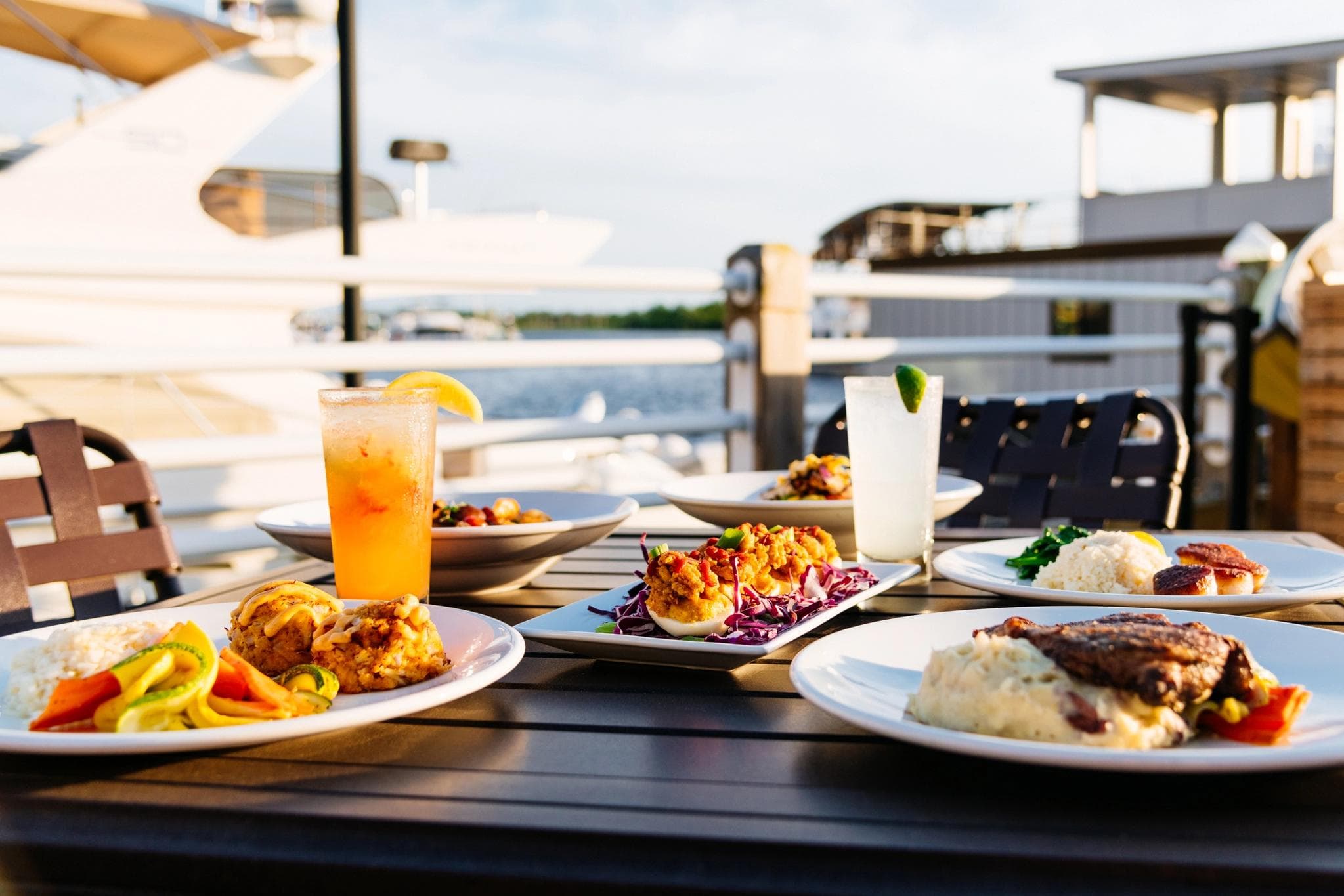
Downtown Wilmington's restaurant corridor is cycling through an aggressive wave of openings, closures, and reconceptualizations in 2025 — a pattern that signals healthy consumer demand for new concepts but real financial fragility among operators who survived the pandemic only to hit a cost wall. At least two chef-driven independents and one food hall concept have launched or expanded downtown, while Sweet n Savory Cafe's conversion from Chapter 11 to Chapter 7 liquidation underscores that survival and sustainability are not the same thing in this market.
Fast Facts
- New openings: Voyce (chef-driven bistro, downtown), Bespoke (Italian apertivo pivot at Second and Princess), Cargo West Food Court (2025 debut, 2026 expansion planned)
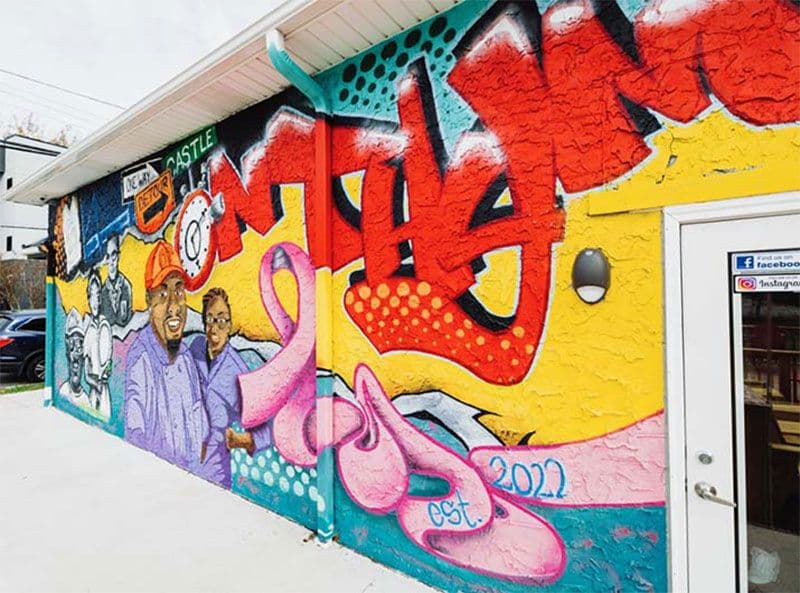
- Expansion: On Thyme adding 1,400 sq ft (bar, seating, prep kitchen, waiting area) at 918 Castle St.
- Closure: Sweet n Savory Cafe (SNS OG LLC) — Chapter 11 filed October 2024, converted to Chapter 7 liquidation confirmed by owner Rob Shapiro
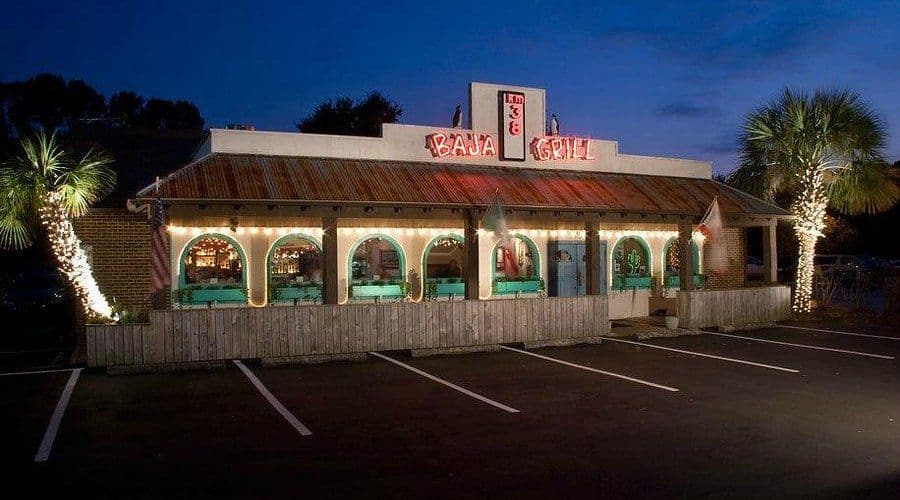
- Regional chain growth: K38 Baja Grill opened sixth location (100 N. Lake Park Blvd., Carolina Beach) in May inside the 25,000+ sq ft Proximity development
- Chain export: Crofton's Pretzels (Wilmington-born, locations on Oleander Drive since 2019 and Market/S. 17th since 2022) expanding to Raleigh by spring 2026
- Social district pilot: Brooklyn Arts District held three Saturday social district events in February, drawing thousands of attendees
- No 2025 Front Street rent data publicly available
What Happened
The downtown Wilmington dining corridor saw a compressed cycle of creative destruction in the first half of 2025. Voyce opened as a chef-driven bistro, joining a small but growing class of independents targeting higher-spend diners. Bespoke, previously operating as Bespoke Coffee & Dry Goods at Second and Princess streets, reconcepted into an Italian apertivo coffee-and-cocktails format — a pivot that suggests the original model hit a ceiling. Cargo West Food Court debuted downtown with plans to expand further in 2026.
On Thyme, opened in fall 2022 by Corey and Phallin Scott, committed to a 1,400 sq ft expansion at 918 Castle St. — a meaningful capital outlay for an independent that's been open less than three years.
On the closure side, Sweet n Savory Cafe's trajectory tells the sharper story. Owner Rob Shapiro filed voluntary Chapter 11 reorganization in October, signaling an attempt to restructure and continue. By early 2025, the filing converted to Chapter 7 liquidation. That's not a soft landing — it's a full wipeout of the equity position and a signal that restructuring terms couldn't pencil against current operating costs.
Meanwhile, the broader Cape Fear hospitality economy showed momentum. Live.Eat.Surf Restaurant Group opened its sixth K38 Baja Grill inside Carolina Beach's Proximity development, and Wilmington-born Crofton's Pretzels announced a Raleigh expansion for spring 2026.
Why It Matters
Restaurant turnover at this pace is a leading indicator for commercial real estate investors and landlords holding retail space in the downtown and Castle Street corridors. The pattern — new concepts replacing failed ones, independents expanding while others liquidate — suggests that demand for quality dining space remains intact, but operator economics are unforgiving. Landlords are likely seeing shorter vacancy periods between tenants but should expect more negotiation leverage shifting toward tenants who can demonstrate capitalization and concept differentiation.
For the hospitality workforce, turnover of this kind creates churn at the labor level, too. Each closure displaces 15–30 front- and back-of-house workers (estimated based on typical independent restaurant staffing); each opening absorbs a roughly equivalent number. Net employment impact is likely neutral to slightly positive, but the instability complicates retention and training investments.
What Stands Out
- Chapter 11 to Chapter 7 is the red flag, not the closure itself. Sweet n Savory attempted reorganization and failed, which typically means operating margins couldn't cover even restructured debt. That suggests cost pressure — labor, food, or rent — exceeded what the concept could bear at current price points.
- On Thyme's 1,400 sq ft expansion after just two-plus years of operation is a strong confidence signal. That kind of capital commitment from an independent suggests the Castle Street submarket is generating enough traffic and spend velocity to justify additional buildout.
- Reconceptualization (Bespoke) may be a better indicator than new openings. When an operator pivots format rather than closing, it signals that the location has value but the original concept didn't match demand. Italian apertivo is a higher-margin, lower-labor model than a full coffee-and-dry-goods operation.
- Cargo West Food Court's 2026 expansion plans suggest the food hall model has traction downtown — a format that distributes operator risk across multiple vendors while consolidating foot traffic.
- The Brooklyn Arts District social district pilot drew thousands across three Saturdays in February. If the city moves toward permanent social district designation, the spillover effects on adjacent restaurant revenue could be material.
- No publicly available 2025 rent data for Front Street or downtown Wilmington makes it difficult to quantify cost pressure. This is a data gap that investors and operators should track closely.
Market Lens
Angle: Demand Signal
The net pattern here reads as positive demand against tightening operator margins. Three new or reconcepted restaurants opened downtown in the first half of 2025. One significant closure occurred — but it was a business that had already entered financial distress in late 2024. The expansion activity (On Thyme, Cargo West, K38 Baja Grill) is capital-backed and forward-looking, not speculative. Wilmington-born Crofton's Pretzels exporting to Raleigh is a secondary signal: when local concepts scale outward, it implies the home market has been proven and is generating the cash flow needed to fund expansion.
Consumer willingness to support chef-driven, higher-spend concepts (Voyce, Bespoke's pivot) suggests the downtown customer base is not purely price-sensitive — a meaningful distinction in a mid-size market where many independents default to casual price points.
Risks & Watch-Outs
- Rent opacity: Without published 2025 lease rate data for Front Street or the broader downtown corridor, it's impossible to confirm whether rising occupancy costs are contributing to closures. This is the single biggest analytical gap.
- Labor cost pressure: New Hanover County hospitality wages have risen post-pandemic, and each new opening competes for the same pool of experienced line cooks, bartenders, and servers. If three to four new concepts open simultaneously, wage inflation accelerates.
- Concept saturation risk: Downtown Wilmington's walkable dining corridor is compact. Adding multiple chef-driven or specialty concepts in a short window can fragment the customer base rather than grow it.
- Macro headwinds: Consumer discretionary spending faces pressure from persistent inflation in food-at-home categories and elevated interest rates affecting household budgets. A demand pullback in late 2025 would hit recently opened restaurants hardest.
- Permitting and buildout timelines: Cargo West's 2026 expansion and On Thyme's addition both depend on timely permitting and contractor availability — neither of which is guaranteed in a market with active residential and commercial construction.
Takeaway for decision-makers: Downtown Wilmington's restaurant churn in 2025 is a sign of market health, not distress — but the margin for error among operators is thin. Investors and landlords should prioritize tenants with strong capitalization and differentiated concepts. Operators considering entry should model conservatively on labor and food costs and negotiate lease structures that account for the first 18–24 months of ramp-up risk. The demand signal is real; the operating economics remain unforgiving.

Marcus Lane
Marcus Lane writes about real estate, urban planning, and regional business strategy across Southeastern North Carolina. With a background in market analysis and civic reporting, he brings practical insights to emerging development stories and public-private partnerships.
Related Posts
More stories from the same category
Recent Posts
Stay up to date with our latest stories


Subscribe to Newsletter
Provide your email to get email notification when we launch new products or publish new articles