Port of Wilmington Rail Expansion's Business Impact
Beyond the ribbon cutting what the port’s new intermodal rail yard changes for logistics industrial leasing and Wilmington’s growth.

Mar 03 2026
1 min read
Wilmington Business News
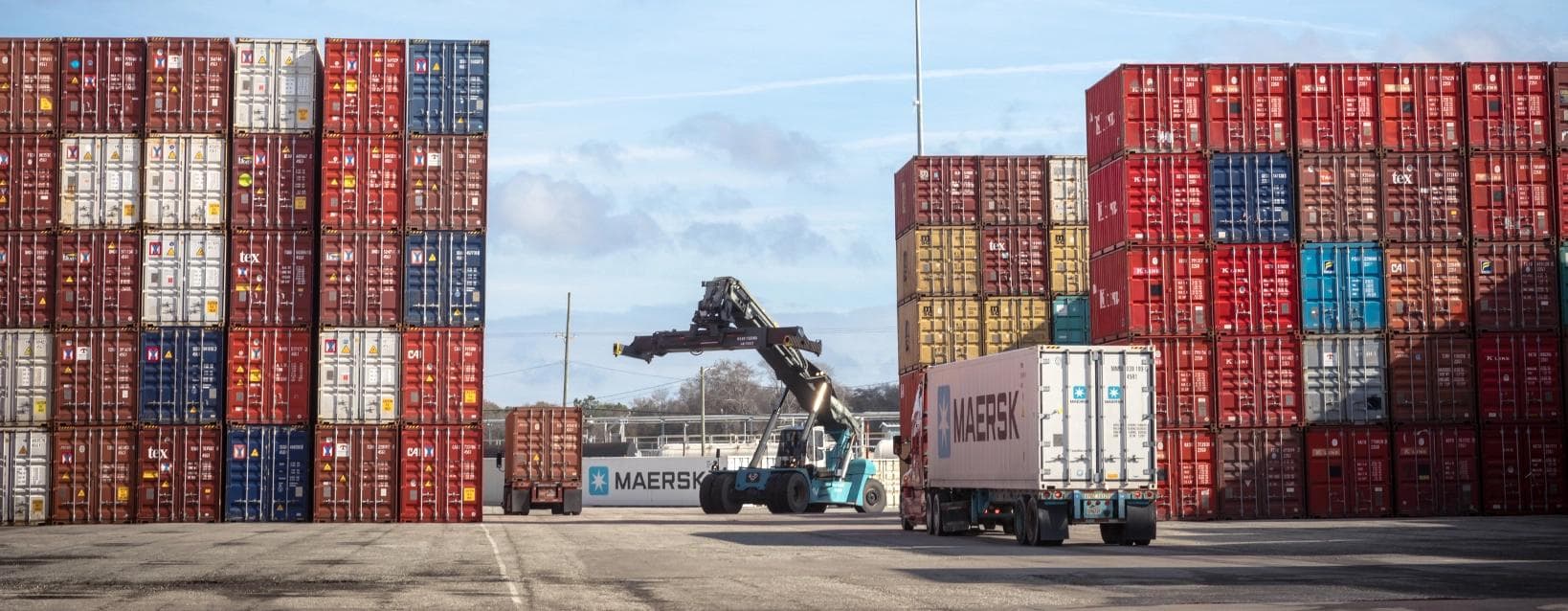
The Port of Wilmington is building something that sounds technical but behaves like a product. Reliability.
If the expansion works, Wilmington wins on two business outcomes that matter more than ribbon cuttings. Faster time to inland and more consistent service. Those are the levers that can shift shipper routing decisions and quietly re price industrial demand.
Why this story is bigger than a June completion
June is the visible milestone. The economic milestone is when shippers trust the schedule enough to route meaningful volume through Wilmington without padding their inventory plans.
That is the difference between added capacity and earned credibility.
Anchor facts you can hold the analysis to
A recent local update lists these hard numbers. The project budget is 22.5 million dollars with 18 million dollars from a federal RAISE grant. Construction broke ground in fall 2024 with a June completion target. The build adds four new working tracks totaling five thousand feet.
Two capacity frames show up in public project descriptions. One is a moves based framing of more than fifty thousand container movements by rail annually. Another is a phase one framing above one hundred fifty thousand TEUs annually.
Those are big claims. The analyst job is to track whether operations catch up to the promise.
Key numbers quick box
This is the fastest way to separate what is tangible from what must be proven in utilization.

The upgrade in plain English
Track is not the headline. Workflow is.
More working track inside the terminal footprint can compress dwell time and reduce how often containers get moved just to make room. That matters because intermodal economics are fragile. A missed pickup window or an extra dray step can erase the savings rail is supposed to deliver.
This expansion is a throughput bet, but it is also a trust bet.
What changes economically
The real impact is not theoretical capacity. It is whether Wilmington becomes a reliability winner that changes decisions for shippers, 3PLs, and industrial tenants.
Below are the three economic channels that matter most and how to think about them like an analyst.
Service reliability becomes a sellable product
Shippers pay for outcomes they can schedule. Reliability reduces the cost of uncertainty across trucking, warehouse labor, and inventory planning.
Three reliability features that move real dollars
Predictable pickup windows so carriers and warehouses can plan labor with less waste
Fewer touches meaning fewer moves, fewer exceptions, fewer delays
Reduced truck dependency especially during peak weeks when dray capacity tightens
If the rail yard improves consistency, Wilmington competes less on being the cheapest and more on being dependable. In freight, dependable often wins when volatility rises.
Industrial demand spillover who wins first
Port reliability shows up in leasing before it shows up in headlines.
If inland cycle time improves, the first wave of winners tends to include tenant types that monetize predictability
- Third party logistics and transload operators who value appointment certainty
- Regional distribution and light assembly where inbound timing drives inventory turns
- Cold chain logistics when refrigerated flows are meaningful and dwell volatility is costly
For the Wilmington region, the practical question is simple. Do tenants start treating port adjacency as a premium feature again, and does leasing velocity respond.
Labor and wage pressure the second order effect
More rail activity changes labor demand even if total freight growth is modest.
Three places to watch
Yard operations equipment operators, maintenance, dispatch coordination, safety
Warehouse staffing tighter dock calendars when inbound timing becomes dependable
Trucking and drayage fewer long waits and more scheduled turns if gate flow improves
Here is the counterintuitive upside. Wages can rise while wasted paid hours fall. That is a real productivity gain.
WilmingtonNews net scoreboard Port Efficiency Watchlist
A reliability story is only credible if you measure it. This watchlist turns a one time infrastructure update into a quarterly analyst franchise.
Start with what you can obtain now. Improve it over time. Consistency beats perfection.

Risks and constraints worth taking seriously
Capacity does not automatically become throughput. Freight is a network and a strong node still depends on its connections.
Four constraints to keep on the radar
Network constraints inland terminal congestion, chassis availability, train scheduling
Soft demand reliability may improve without immediate volume growth
Rail service bottlenecks on dock capacity still needs dependable line haul and switching
Slow shipper adoption routing guides change only after benefits repeat consistently
Who to interview so the story feels owned here
Original signal is the difference between a recap and a Wilmington analyst post.
A short hit list
A port spokesperson plus terminal operations leadership
One or two industrial landlords or brokers active in the Wilmington area
A regional 3PL or importer who actually uses intermodal
The key is to ask for operating reality, not vision language. What is the weekly cadence. What causes missed windows. What changed after the upgrade.
The ninety day and twelve month checks
This expansion will not be judged by the completion photo. It will be judged by whether shippers trust it enough to plan around it.
Ninety day check Is the yard operating at meaningful utilization, meaning consistent weekly moves and repeat customers
Twelve month check Did industrial leasing velocity change in a way that aligns with improved reliability and time to inland
FAQ
Will this reduce truck traffic in Wilmington?
Over time it can if shippers convert meaningful volume from truck to rail. Public planning has framed a long run goal of diverting roughly two hundred fifty thousand containers from truck to rail over a decade. The near term impact depends on utilization and whether service remains predictable week after week.
Does more track automatically mean more throughput?
No. Track expands the ceiling, but realized throughput depends on yard operations, equipment, chassis supply, train slots, and inland terminal performance.
What is the single best sign the expansion is working?
A steady climb in quarterly intermodal moves paired with improving friction signals such as shorter waits and fewer missed pickup windows. When reliability improves, routing guides change and landlords feel it in tenant interest.

Maya Shelton
Maya Shelton joined the Wilmington reporting scene after four years in Big 4 advisory, where she worked with real estate and infrastructure clients across the Southeast. She brings a data-savvy, no-nonsense perspective to emerging business stories, with a focus on economic development and early-stage investment trends.
Related Posts
More stories from the same category


Recent Posts
Stay up to date with our latest stories






Subscribe to Newsletter
Provide your email to get email notification when we launch new products or publish new articles