Wilmington Harbor Deepening ROI Versus Regulatory Risk
A capital allocation memo on the 1.35 billion dollar harbor deepening plan, what the state objection means, the ROI hurdle, and what to watch next.

Mar 03 2026
1 min read
Wilmington Business News
This is not a dredging story. It is a capital allocation story.
A 1.35 billion dollar harbor deepening proposal just hit a hard state level objection. That changes the math for anyone building a growth plan around deeper draft competitiveness. Our stance is simple and firm.
Do not treat harbor deepening as a near term driver of regional growth until the regulatory gaps are closed in writing.
That is not pessimism. It is risk management based on what the state objected to and how long federal evaluation and permitting steps can take.
What the project is in plain terms
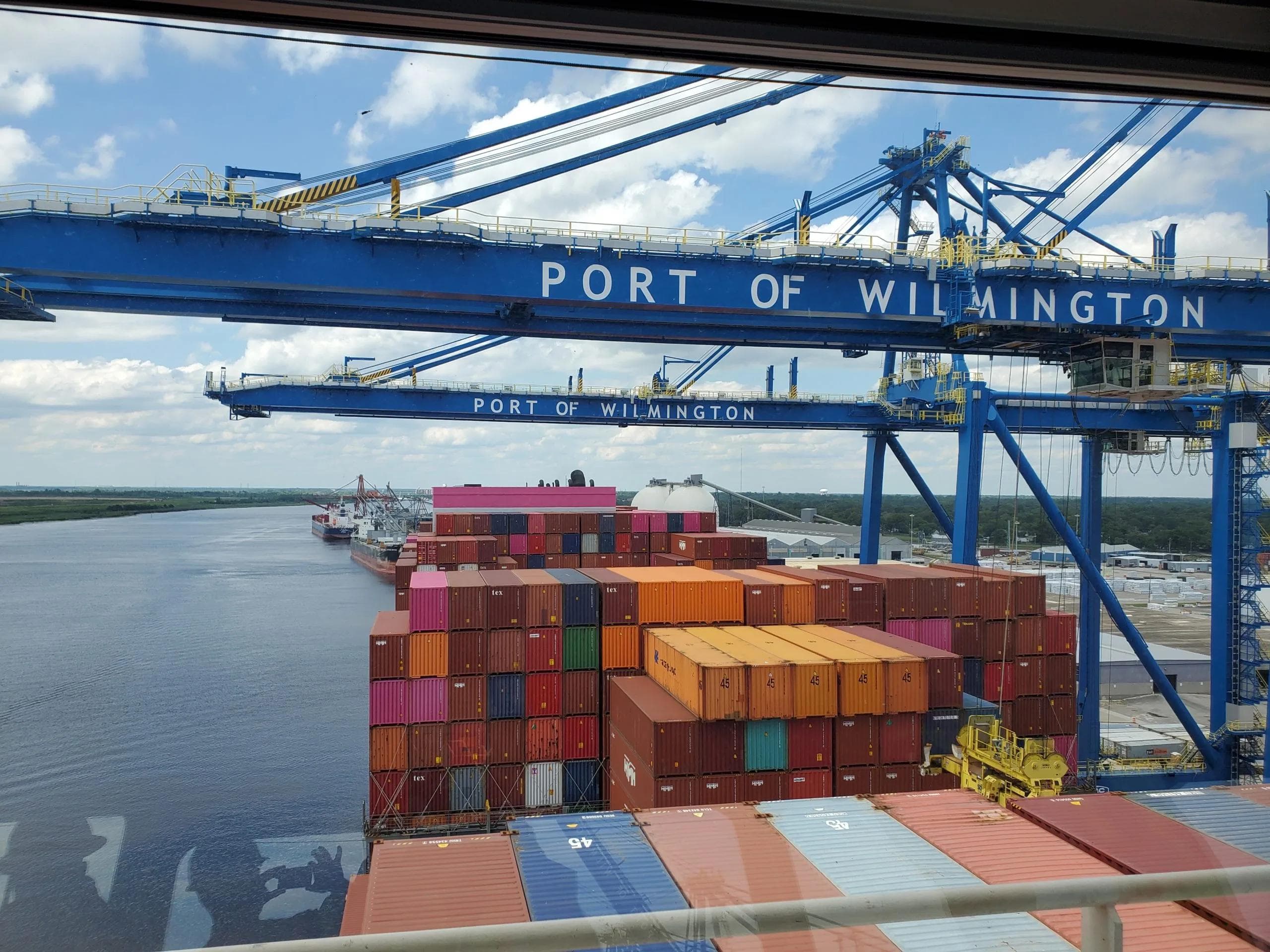
The core proposal is to deepen the main channel from 42 feet to 47 feet.
The scale is large. The preferred plan described in project materials involves excavating about 35 million cubic yards of material. That is an order of magnitude detail that matters because scale drives cost, disposal complexity, and environmental risk.
The process is also long. The federal letter report and environmental impact statement work is estimated at 8.5 million dollars with an anticipated four year timeline. That is only the evaluation track, not full construction.
Bottom line
Even in a best case, approval funding and execution are not immediate.
Why the state objected and why businesses should care
The state objection is not framed as a minor paperwork issue. It is framed as insufficient information and unresolved risk in three areas.
PFAS and sediment contamination
The objection cites insufficient information regarding PFAS related risks in the dredging context. PFAS is not a side issue in the Cape Fear conversation. It is a trust issue and a public health issue. When the state says it does not have enough information, timelines stretch.
Flooding and coastal resource impacts
The objection references concerns about flooding impacts and potential adverse impacts to coastal resources. If a project is seen as increasing flood risk, mitigation scope can grow quickly and political support can get harder, not easier.
Dredged material placement and mitigation detail
The objection includes dredged material placement concerns and points to missing specifics on placement footprints and design details, plus concerns that proposed mitigation does not match the scope and magnitude of impacts.
Here is the business translation. These are the risks the region must price in.
1 - Timeline risk
Permitting delays are likely when agencies say information is insufficient.
2 - Scope risk
Mitigation requirements can expand, which changes design, cost, and schedules.
3 - Cost overrun risk
Large scale dredging plus evolving mitigation rules is a classic recipe for rising budgets.
4 - Financing and reputation risk
Adjacent development that markets itself on a deeper harbor can face scrutiny if the project becomes a flashpoint around PFAS or flooding.
Our stance
The state objection pushes this project from a planning assumption into a probability weighted bet.
The investment memo model
Treat this like a decision memo with scenarios, not a yes or no headline.
Scenario table proceed versus delay

The hard point that cannot be skipped
Even if the federal side could continue, this project still depends on a sponsor pathway. Coverage of the objection has noted the need for a non federal sponsor and that state posture matters.
So our stance stays the same.
Until sponsor commitment and regulatory clarity are both visible, treat the deepening like a long dated option, not a base case.
Smaller bet alternatives that can move competitiveness now
This is where capital allocation gets practical. The region should not sit on its hands while the deepening debate plays out.
Smaller bet projects can improve competitiveness with less permitting risk and faster feedback loops.
1 - Landside logistics and terminal productivity
Gate flow, appointment systems, yard workflow, and rail utilization can lift effective capacity without changing the channel.
2 - Rail and inland connectivity
Improving intermodal reliability helps shippers today. It also reduces the risk that deeper draft becomes stranded value because the inland path cannot handle volume.
3 - Industrial site readiness
Zoned and serviced sites, faster permitting for industrial buildouts, and utilities readiness matter because the port only wins if freight can move from berth to building.
Our stance
If you want measurable progress in the next 12 to 24 months, these are the levers.
WilmingtonNews net hurdle rate checklist
This is the evidence we would need to see before calling the deepening a good investment at 1.35 billion dollars.
Use it like a checklist. If multiple boxes are unchecked, the ROI story is not investable.
1 - Carrier and shipper signals in writing
Signed commitments, service announcements, or clear routing intent that depends on 47 feet.
2 - A mitigation plan that is specific
Clear dredged material placement design, footprints, and stabilization plans. Clear monitoring plans.
3 - PFAS and flooding risk analysis that satisfies the state
Not summaries, but detailed analysis and agreed methods.
4 - A funding pathway that is real
Federal appropriations trajectory plus state sponsor willingness.
5 - Net benefit versus alternatives
A clear case that the marginal benefit of deeper draft beats the returns from productivity and landside investments over the same period.
Our stance
Without this checklist, the project is a headline, not an investment thesis.
Who wins and who loses locally
This is not doom. It is a clear map of exposure.
If the project proceeds
Winners include port operators and vendors, logistics employers, and industrial and flex developers who benefit from stronger port driven demand.
If the project delays or redesigns
Winners include firms focused on incremental efficiency projects and near term competitiveness improvements. Environmental and eco tourism interests also face less near term disruption risk.
Losers if it delays
The biggest loser is any growth narrative that assumed deeper draft competitiveness on a fixed schedule. Those narratives become at risk until the probability shifts.
What to watch next
Keep this tight and measurable.
- Any revised submission that directly addresses PFAS, flooding, and dredged material placement detail
- Any formal dispute resolution step or process change following the objection
- Updates to the federal evaluation timeline and milestones for the letter report and environmental impact statement track
- Clear statements on sponsor posture and who is willing to carry the non federal sponsor role
- Any narrowing of scope that reduces cubic yard volumes or changes placement strategy
FAQ
Can the federal agency proceed without the state
It may continue parts of its process, but this project still needs a non federal sponsor and cannot ignore state level coastal consistency objections if it wants a clean path. Sponsor posture is a gating factor.
What is PFAS
PFAS refers to a large group of persistent chemicals often called forever chemicals. In this context, the concern is how dredging might disturb sediments in ways that increase risk to people and ecosystems if not studied and managed correctly.

Daniel Price
Daniel Price brings a decade of experience advising developers and institutional investors on large-scale commercial real estate projects. Now based in Wilmington, he covers local business expansion, leasing trends, and the economics behind downtown redevelopment and land use shifts.
Related Posts
More stories from the same category

Recent Posts
Stay up to date with our latest stories



Subscribe to Newsletter
Provide your email to get email notification when we launch new products or publish new articles