Wilmington Housing at $429K MHV With 3.68-Month Supply
Wilmington housing data shows $429K homes, $1,600 rents, and 3.68-month supply — a market softening at the margins but structurally undersupplied.

Mar 27 2026
1 min read
Business Summary
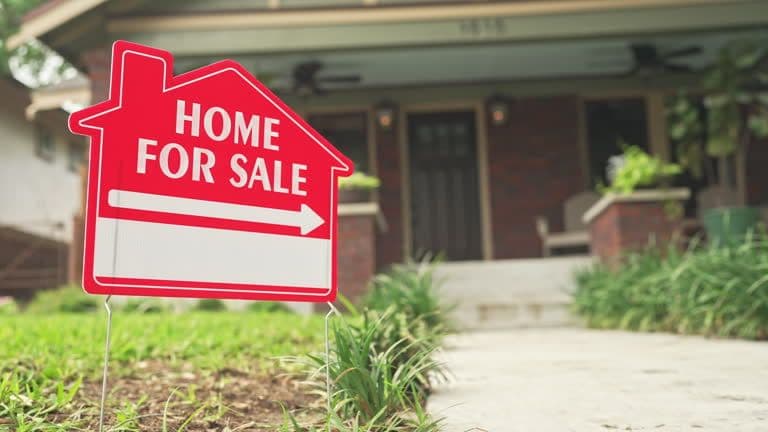
Wilmington's housing market enters spring 2026 in a transitional state — not the acute shortage of 2021–2023, but not equilibrium either.
Typical home values sit at $429,000, two-bedroom rents hold near $1,600/month, and months of supply registers at 3.68, still below the conventional six-month balance threshold.
For investors and developers, the key question is whether the market is normalizing toward equilibrium or settling into a structurally undersupplied baseline that supports continued rental yield compression and missing-middle development plays.
Fast Facts
- Typical home value: $429,000 (Zillow, January 2026)
- Median sale price: $433,000 (Redfin, February 2026)
- Median listing price: $455,000
- Year-over-year price change: flat to -1.1%, depending on source and date
- Price appreciation since February 2019: +78% from $252,750 median
- Months of supply: 3.68 (context data) to 3.9–5.0 (broker and MLS sources)
- Average days on market: 64–72 days, up sharply from pandemic lows
- Active listings: up ~14% year-over-year per Cape Fear Realtors
- Two-bedroom rent: ~$1,600/month
- Income required to rent (30% threshold): ~$64,000/year
- Income required to buy at $450,000: ~$100,000+/year
- City Council action: March 9, 2026, unanimous adoption of 2026 Legislative Agenda prioritizing housing affordability and supply expansion
- National median home price (February 2026): $398,000
What Happened
Wilmington's residential market has moved from a seller-dominated cycle into what multiple broker sources describe as a "reset toward balanced conditions." Active listings climbed approximately 14% over 2024 levels, days on market stretched to 64–72 days, and year-over-year price growth has stalled — a marked departure from the double-digit annual gains of 2021–2022.
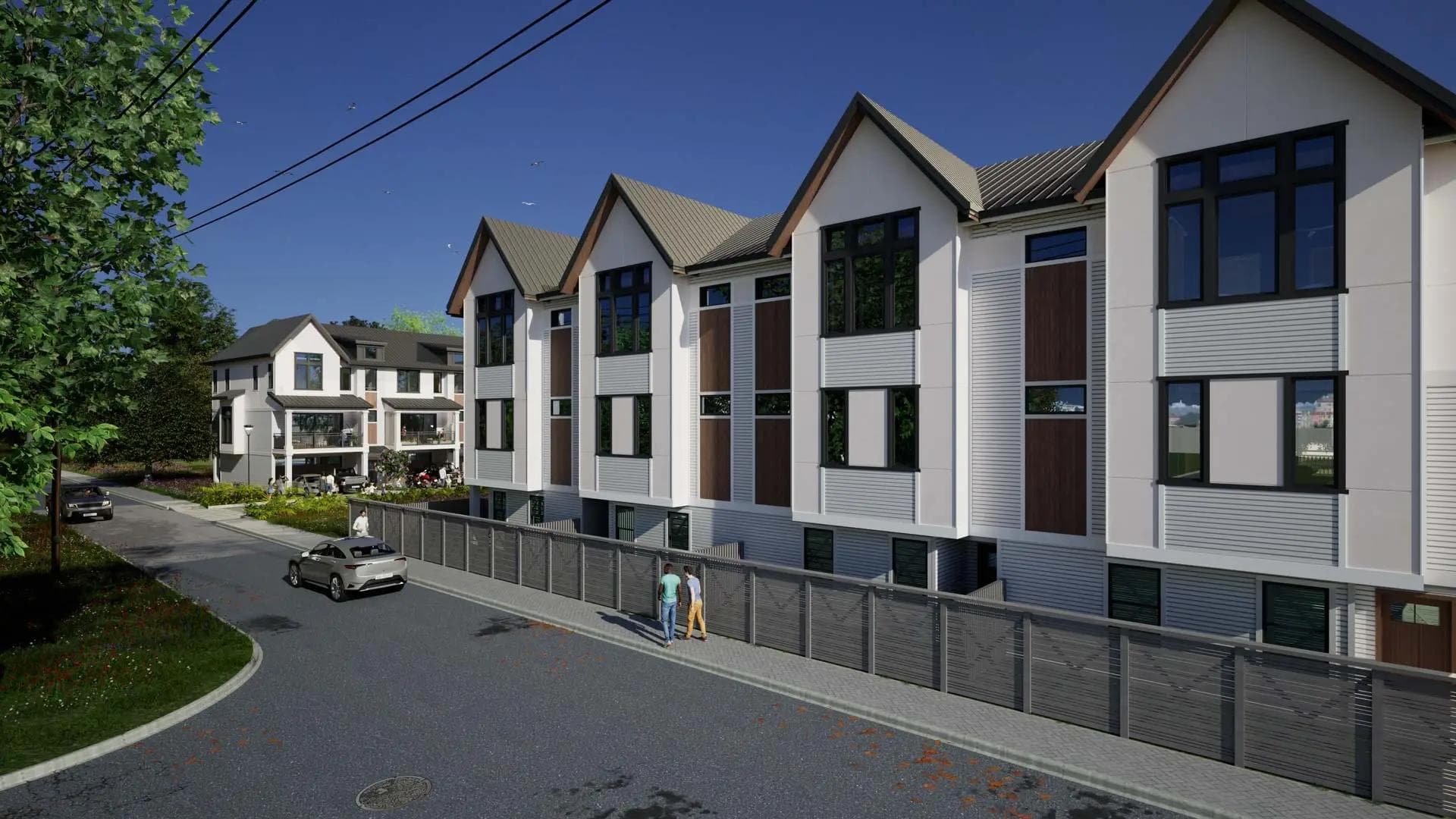
At the policy level, Wilmington City Council on March 9, 2026, unanimously adopted its 2026 State and Federal Legislative Agenda, which explicitly prioritizes housing affordability and supply expansion. This follows the recently approved R-3 duplex zoning reforms aimed at increasing missing-middle housing stock in established neighborhoods.
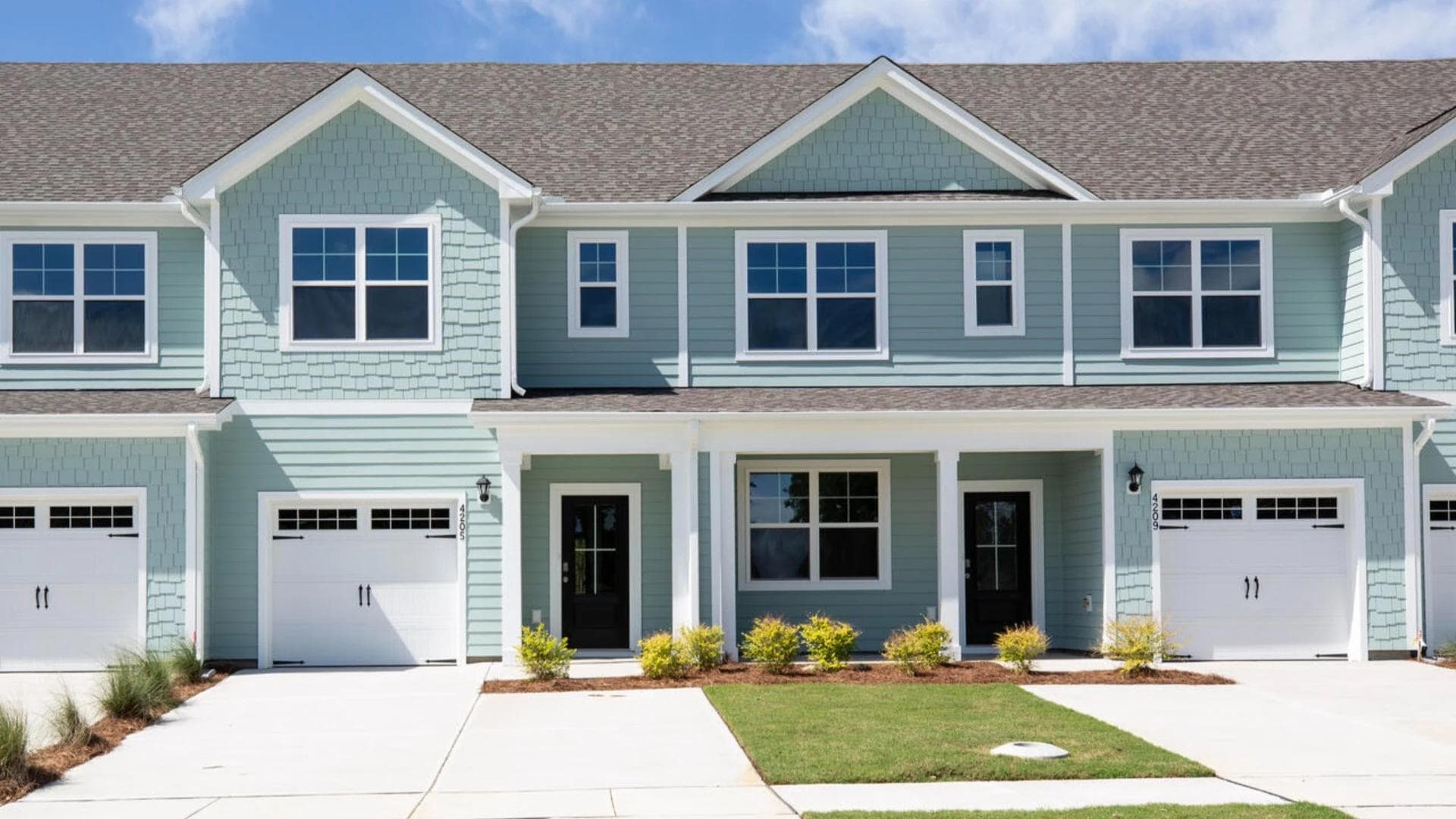
New construction builders across Wilmington, Leland, and Hampstead continue to offer rate buy-downs, closing cost assistance, and upgrade packages — a sign that builder inventory is competing aggressively with resale listings for buyer attention.
Why It Matters
The economic significance sits at the intersection of workforce retention and capital deployment. At $429,000 typical home value, Wilmington prices exceed the national median of $398,000 by roughly 8%. Homeownership requires north of $100,000 in household income — a threshold that excludes a meaningful share of the local workforce, particularly in healthcare, hospitality, education, and retail sectors that anchor the regional economy.
For rental investors, the $1,600/month two-bedroom average against a $64,000 income requirement signals persistent demand from households priced out of ownership. That demand-supply imbalance — even as it softens modestly — continues to underpin occupancy rates and rent stability in Class B and workforce-oriented multifamily product.
City Council's legislative prioritization is not merely symbolic. It signals that elected officials view housing constraints as a drag on economic competitiveness, a framing that typically precedes zoning liberalization, incentive programs, or infrastructure investments designed to unlock developable land.
What Stands Out
- Supply is improving but not resolved. The 3.68-month figure remains below the six-month equilibrium benchmark, though some broker data points suggest supply in certain submarkets may be approaching 5.0 months. The gap between these figures likely reflects micro-market variation — coastal and downtown inventory behaves differently than suburban Leland or Hampstead product.
- Price growth has effectively stalled. Flat to -1.1% year-over-year movement, after 78% cumulative appreciation since 2019, suggests the market has absorbed most of its post-pandemic repricing. For investors underwriting appreciation-dependent returns, the math has changed.
- Builder incentives are a demand signal in reverse. Rate buy-downs and closing cost packages indicate builder inventory is not moving at list price velocity. This creates competitive pressure on resale sellers and compresses margins for spec builders — a dynamic worth tracking through Q2 2026.
- The $100,000 income threshold is a workforce filter. Wilmington's median household income runs well below $100,000, which means the ownership market is increasingly serving relocators, retirees, and remote workers rather than locally employed buyers. That bifurcation has implications for rental demand durability.
- Policy and zoning reform are converging. The R-3 duplex reforms plus the legislative affordability agenda suggest a multi-year runway for supply-side intervention. Developers positioning in duplex, townhome, and small multifamily product should monitor permitting pipelines closely.
Market Lens
Demand signal. The core read here is that Wilmington's housing market is softening at the margins — more inventory, longer days on market, flat prices — but the structural demand drivers remain intact. Population growth, retiree in-migration, and limited land availability inside city limits continue to support rental demand and missing-middle housing absorption. The investor thesis has shifted from price appreciation to income yield and occupancy durability. At $1,600/month rents and sub-4-month supply, rental product in the $200,000–$350,000 per-unit range still pencils for stabilized investors, particularly those accessing the newly reformed R-3 zoning to develop duplexes and small multifamily in infill locations.
Risks & Watch-Outs
- Overestimating tightness. Multiple data sources suggest supply may be closer to 4.0–5.0 months in some submarkets, not uniformly constrained at 3.68. Investors should verify submarket-level inventory before underwriting scarcity premiums.
- Builder competition. Aggressive incentive packages from new construction could erode resale values and rental comps in suburban corridors like Leland and Hampstead.
- Rate sensitivity. Mortgage rates remain the single largest variable. Any sustained move above 7.5% would further compress the buyer pool and extend days on market.
- Income ceiling. If local wage growth does not keep pace with housing costs, the market becomes increasingly dependent on out-of-market buyers — a demand source that is inherently more volatile.
- Policy execution lag. Council's legislative agenda signals intent, but state-level action on affordability tools — inclusionary zoning authority, tax increment financing expansion, infrastructure funding — faces uncertain timelines in Raleigh.
Bottom line for decision-makers: Wilmington's housing market is no longer acutely constrained, but it is not balanced either. The investment case has shifted from appreciation to yield — and the best-positioned capital will target missing-middle rental product in infill locations where zoning reform and persistent demand intersect. Underwrite conservatively on price growth; underwrite confidently on occupancy.

Maya Shelton
Maya Shelton joined the Wilmington reporting scene after four years in Big 4 advisory, where she worked with real estate and infrastructure clients across the Southeast. She brings a data-savvy, no-nonsense perspective to emerging business stories, with a focus on economic development and early-stage investment trends.
Related Posts
More stories from the same category


Recent Posts
Stay up to date with our latest stories


Subscribe to Newsletter
Provide your email to get email notification when we launch new products or publish new articles